Little games. Real together time.
A little play.
A whole lot of possibility.
Free games to play with kids ages 2–8 at home. A few minutes, everyday materials, and little chances to learn together.
Find our next gameFree to explore · No sign-up · Made for playing together
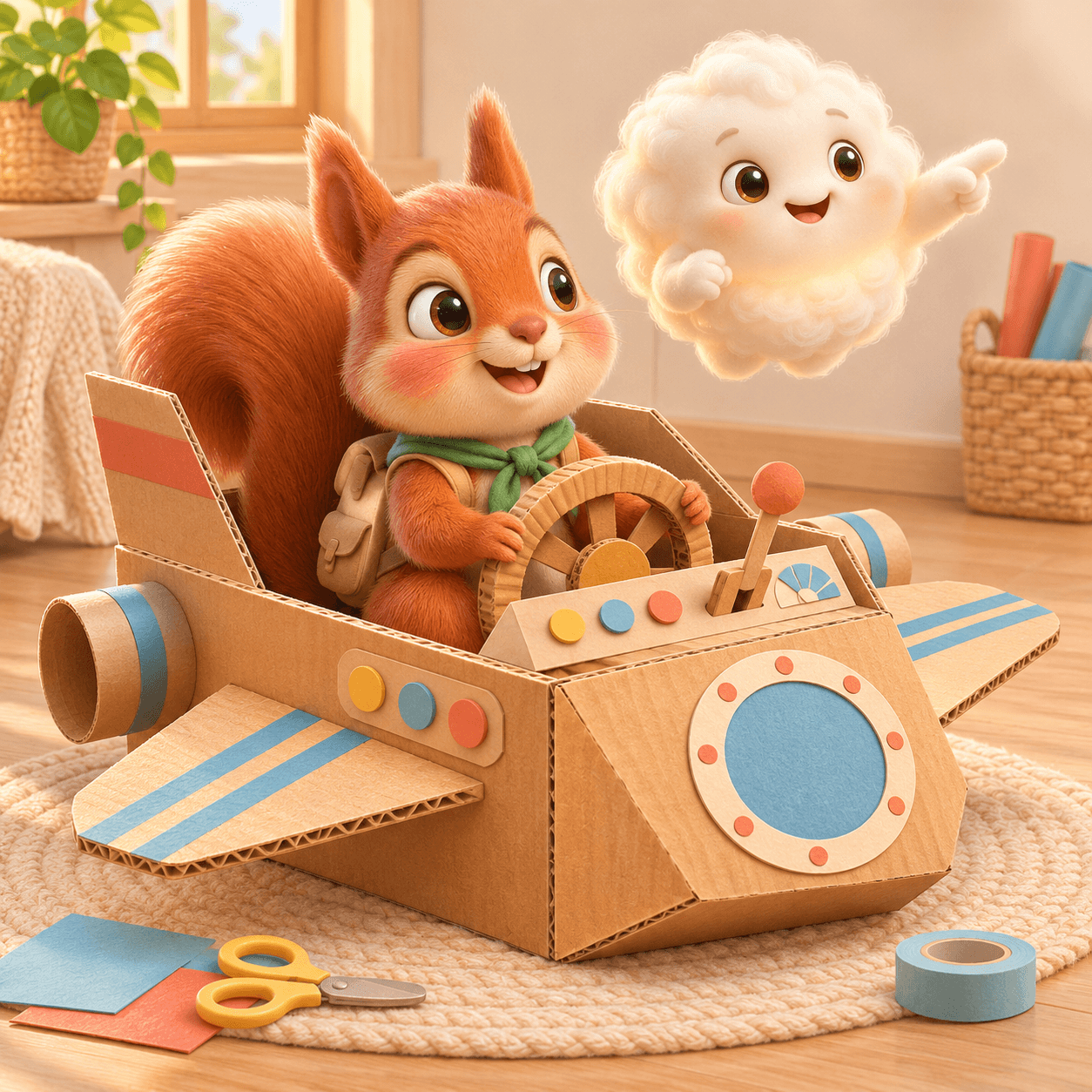 Big adventures. Small cardboard boxes.
Let’s find your kind of fun
What’s today looking like?
The play shelf
Small games. Big imaginations.
68 games to make an ordinary afternoon a little more playful.
Find games for your kind of day
Browse all 68 game guides
- Animal obstacle trailAges 3–7 · 15 min
- Sock-ball bowlingAges 3–8 · 10 min
- River stepping stonesAges 3–7 · 10 min
- Animal movement paradeAges 2–5 · 5 min
- Laundry basket tossAges 3–8 · 10 min
- Kitchen bandAges 2–6 · 10 min
- Freeze danceAges 3–8 · 10 min
- Copy my clapAges 3–8 · 5 min
- Quiet sound detectiveAges 3–8 · 10 min
- Slow-fast marchingAges 3–5 · 10 min
- Tiny pretend cafeAges 3–8 · 15 min
- Teddy check-upAges 3–6 · 10 min
- Cardboard spaceshipAges 3–8 · 20 min
- Toy grocery shopAges 3–8 · 15 min
- Stuffed-animal picnicAges 2–5 · 15 min
- Paper bridge labAges 5–8 · 20 min
- Cup tower challengeAges 3–8 · 10 min
- Cardboard car rampAges 3–8 · 15 min
- Build a toy homeAges 3–8 · 15 min
- Paper tower challengeAges 5–8 · 20 min
- Missing pattern pieceAges 4–8 · 10 min
- What's missing?Ages 3–8 · 10 min
- Sock match-upAges 2–5 · 10 min
- Mystery bagAges 3–6 · 10 min
- Mirror my blocksAges 4–8 · 10 min
- Sink or floatAges 3–8 · 15 min
- Shadow grows, shadow shrinksAges 4–8 · 10 min
- Paper airplane testAges 5–8 · 15 min
- Roll or slide?Ages 3–6 · 15 min
- Color mixing labAges 3–8 · 15 min
- Sponge squeezeAges 2–5 · 10 min
- Texture trailAges 2–5 · 10 min
- Dough impressionsAges 3–6 · 15 min
- Pour and transferAges 2–5 · 10 min
- Teddy's wash dayAges 2–5 · 15 min
- Guess the feelingAges 3–8 · 5 min
- Feelings mirrorAges 3–6 · 10 min
- Help a worried teddyAges 3–8 · 10 min
- Take-turns ball rollAges 2–5 · 5 min
- Team tray deliveryAges 4–8 · 10 min
- Shadow puppet storyAges 4–8 · 15 min
- Story from three objectsAges 3–8 · 10 min
- Sock puppet chatAges 3–8 · 15 min
- Act out the adventureAges 3–8 · 10 min
- Story sequence cardsAges 4–8 · 15 min
- Scribble creatureAges 4–8 · 10 min
- Fold-and-pass creatureAges 5–8 · 15 min
- Nature collageAges 3–8 · 20 min
- Shape picture puzzleAges 3–8 · 10 min
- Draw the musicAges 3–8 · 15 min
- Colorful scribble swapAges 2–5 · 5 min
- I spy a colorAges 2–5 · 5 min
- Mirror my movesAges 2–5 · 5 min
- Whose sound is that?Ages 2–5 · 5 min
- Silly sound echoAges 2–5 · 5 min
- Paper peekabooAges 2–4 · 5 min
- Big and small marksAges 2–4 · 5 min
- Cup hide-and-findAges 2–5 · 5 min
- Build a block roadAges 2–5 · 10 min
- Hello, happy handsAges 2–4 · 5 min
- Secret rule detectiveAges 6–8 · 5 min
- Reverse-action challengeAges 6–8 · 5 min
- Forbidden-word storytellerAges 6–8 · 5 min
- Rhythm codebreakerAges 6–8 · 5 min
- Invent a planetAges 6–8 · 10 min
- One-line mazeAges 6–8 · 10 min
- Paper island rescueAges 6–8 · 15 min
- Twenty-question mysteryAges 6–8 · 10 min
A few helpful answers
Games, growing and playing together
What games can I play with my child at home?
Try copying animal movements, taking turns making sounds, building with cups or creating a scribble creature. Choose a game that fits your child’s age, the time you have and the materials nearby. Each guide includes steps and an easier variation.
How does play support child development?
Games give children opportunities to practice skills in context: remembering a clap pattern, balancing as they move, describing an idea or waiting for a turn. Our game notes explain the actions involved, without promising a particular developmental outcome.
Do I need special toys or an account?
No account is needed. Choose “No materials” for games using voices, gestures and movement, or select everyday supplies such as paper and colored pens. Email signup is optional.
What if a game feels too easy or too difficult?
Use the easier or more challenging version in the guide, shorten the game or follow a new idea your child suggests. The ages are starting points. Enjoying time together matters more than finishing.
About the development notes: these are descriptions of what children practice during each activity, not clinical evaluations. For background on play, attention, memory and self-control, read Harvard’s Center on the Developing Child: Brain-Building Through Play. That resource supports the general approach; it has not reviewed or endorsed this game library.